
 Malvin Gray Johnson
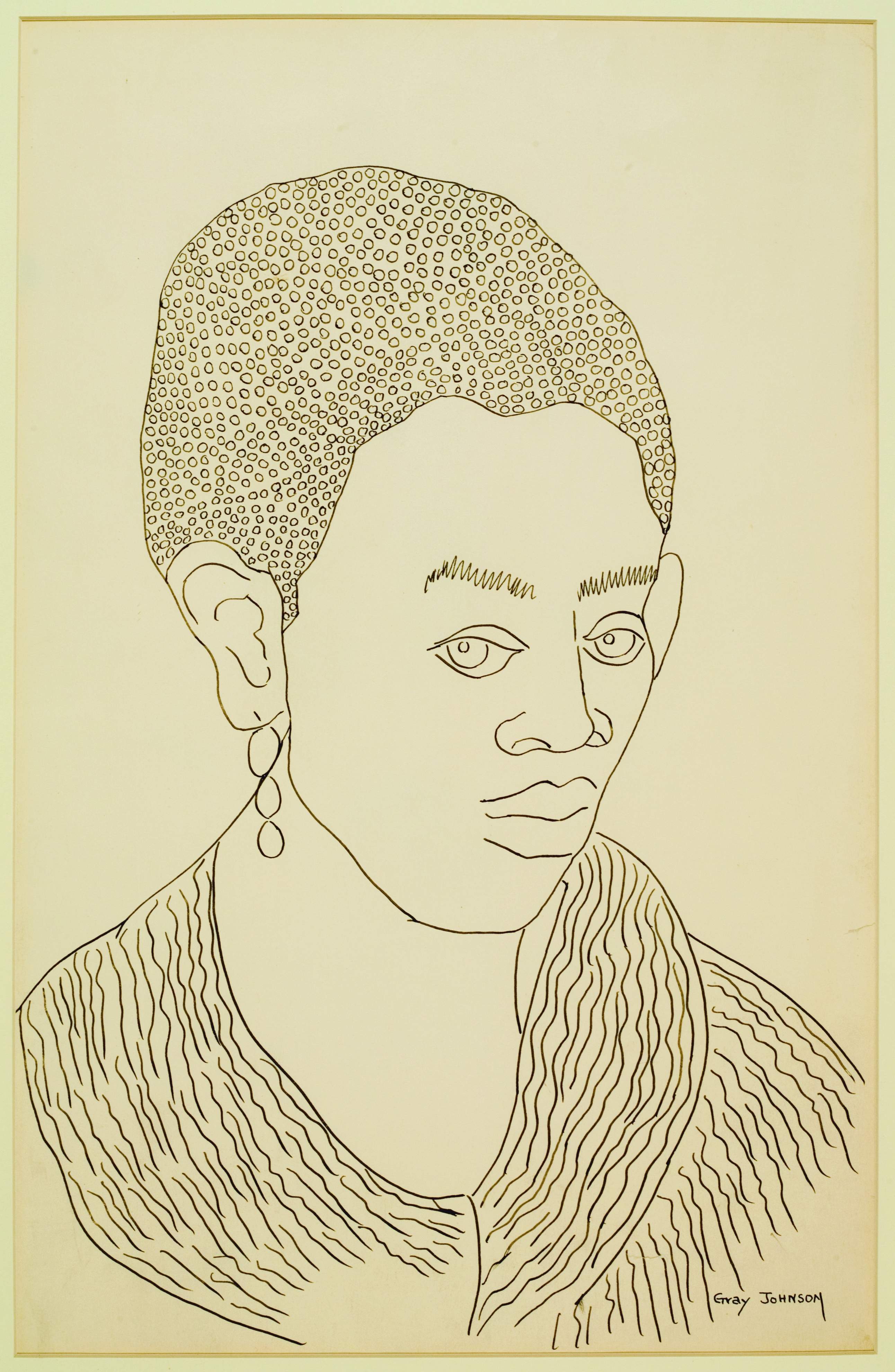
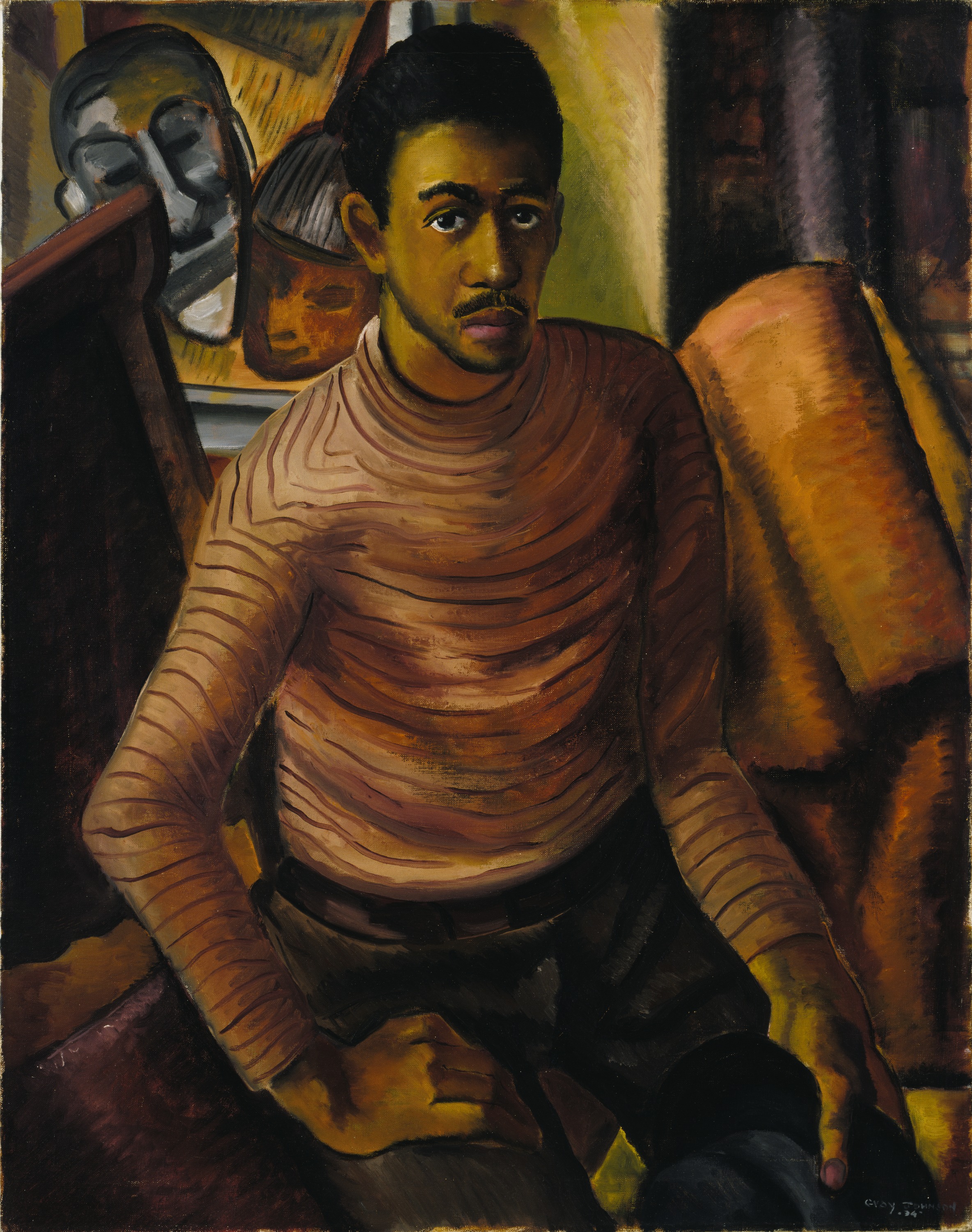
Like many of his contemporaries during the Harlem Renaissance (a vibrant African American cultural, social, and artistic explosion centered in Harlem, in New York, during the 1920s and 1930s), Malvin Gray Johnson’s move to New York proved transformational. He briefly enrolled at the National Academy of Design before serving in the armed forces during World War I. After completing his military service, he returned to the Academy in 1923 and reestablished himself in New York at the height of the Harlem Renaissance. This return coincided with a moment of expanding institutional support for Black artists, particularly through organizations such as the Harmon Foundation. In 1928, the Foundation awarded Johnson a prize for his painting Swing Low, Sweet Chariot.
Johnson’s early, classically oriented works gradually gave way to more modern approaches. These later works reveal the influence of African sculpture, Cubism, and Post-Impressionism, influences he likely encountered during his academic training. As his style evolved, Johnson began to experiment more boldly with color and light, leading some critics to describe his later work as a form of “Symbolic Abstraction.” Despite these stylistic shifts, his strong inclination toward portraiture and spiritually inspired imagery remained constant throughout his career.
Johnson’s rising reputation attracted the attention of major institutions. In 1932, the Whitney Museum of American Art acquired his painting Negress, and around the same time the Musical Art Forum of Orange, New Jersey purchased a significant group of his works. Just as his career was gaining momentum, however, it was tragically cut short. Shortly before his death, Johnson traveled to Virginia to create a series of works documenting African American daily life and Southern landscapes. He died soon thereafter of heart failure. He was only 38 years old at the time of his death.
P.S. The Harlem Renaissance was possible thanks to the Great Migration, when millions of African Americans moved from the rural South to work in the North American industries. Discover a moving recollection of this experience—The Migration Series by Jacob Lawrence.