
 Charles Bouillon Flammant
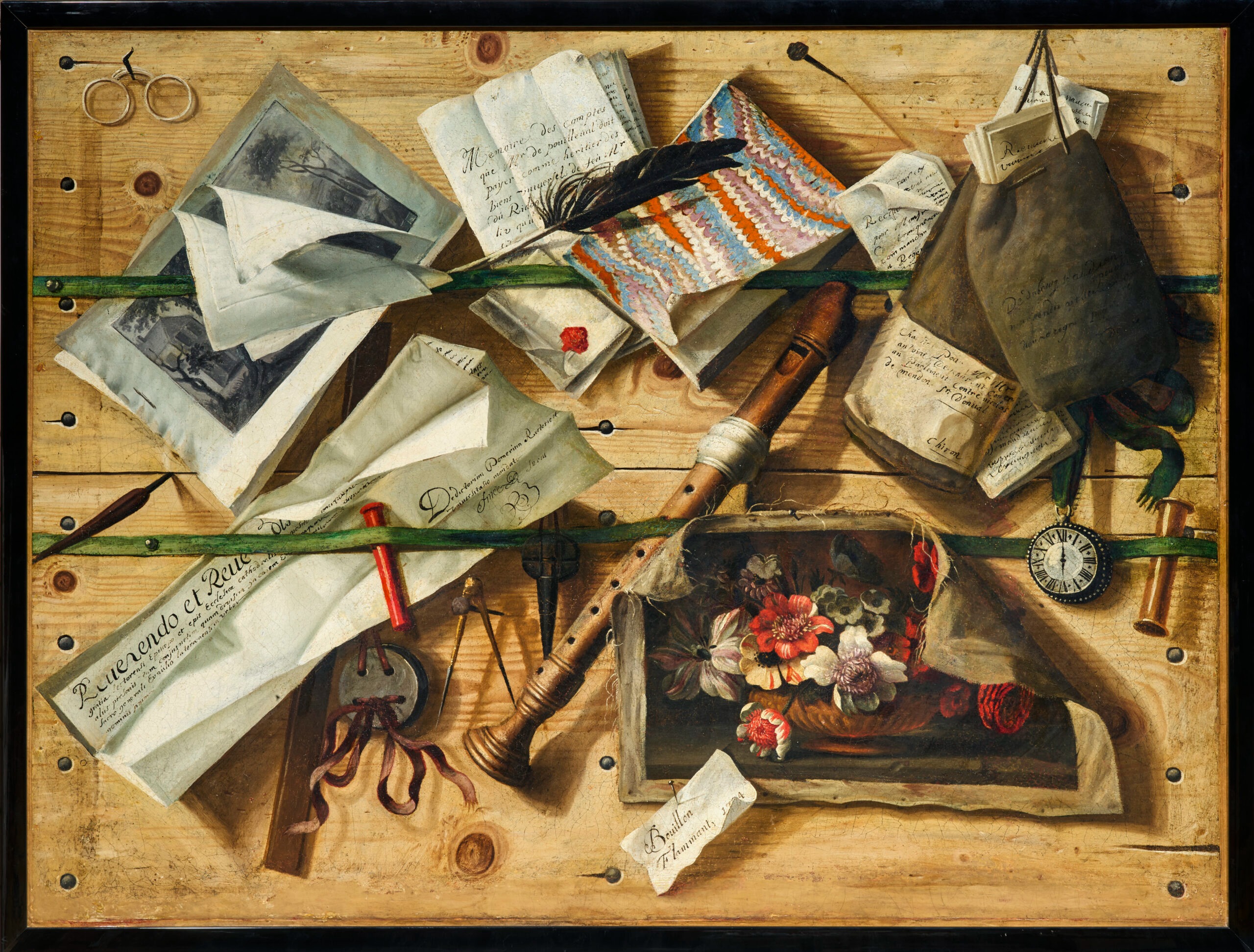
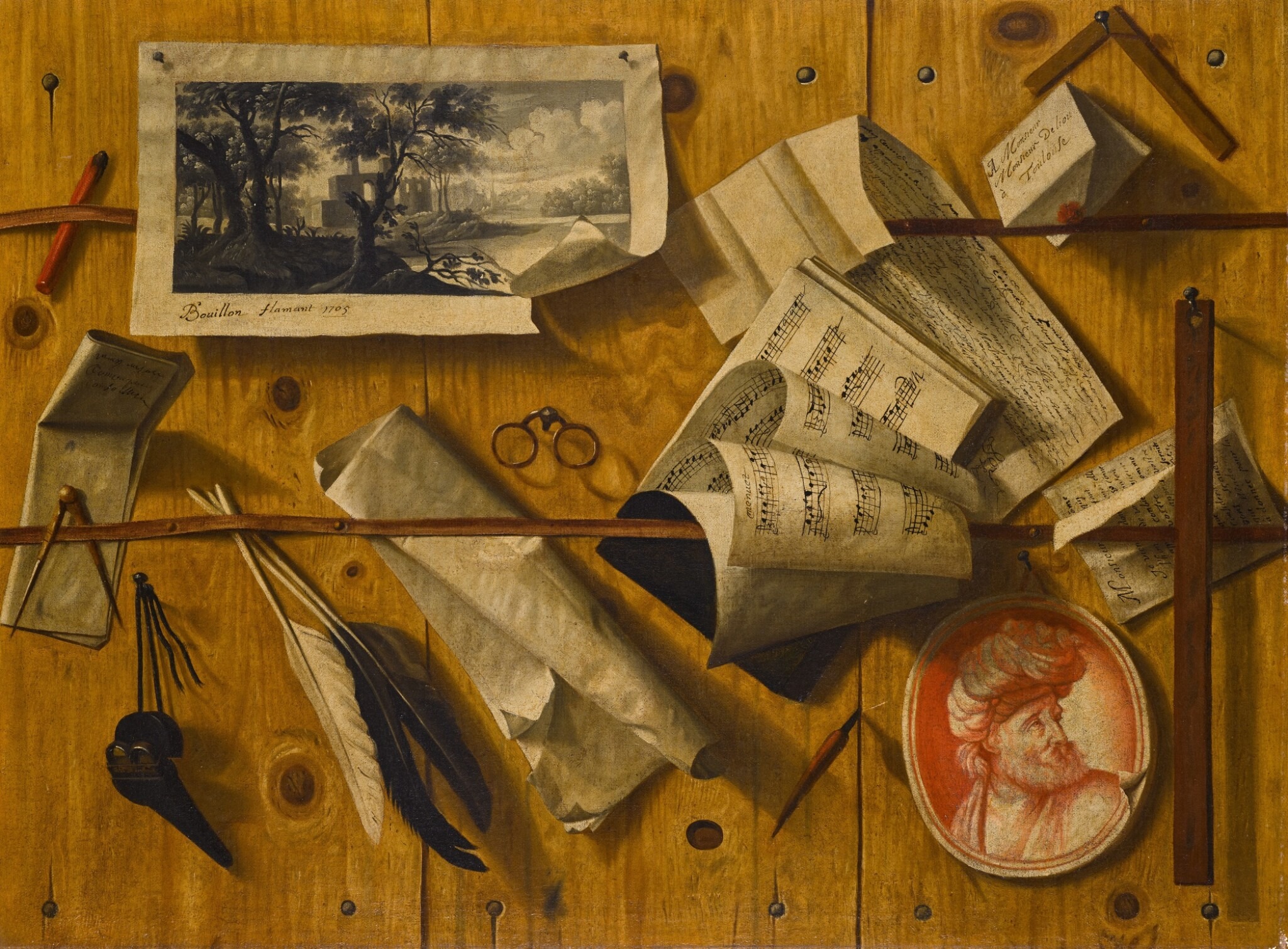
Creating images indistinguishable from reality has fascinated artists across the centuries. This visual sleight of hand—using optics and perspective to make painted objects appear real—dates back to descriptions in ancient Greek literature. Since then, trompe-l’œil has appeared throughout art history, reaching particular heights during the Renaissance and Baroque periods. Though its popularity waned after Romanticism, it never vanished entirely.
Very little is known about the artist who painted today's masterpiece. He is likely to have originated from Flanders, as his distinct signature, Bouillon Flamant, suggests. He possibly moved to Paris at the beginning of the 18th century and may have been related to one of the several painters with the same surname recorded in the guilds of Brussels and Tournai. Only three other works by this artist are known.
Today is World Postal Day - it's the perfect occasion to send a handwritten note with our DailyArt Postcards. Each card is a tiny artwork, perfect for surprising someone (or decorating your desk).
P.S. Read more about trompe l’oeil—how some artists deceived our eyes!