
 Ragnhild Kaarbø
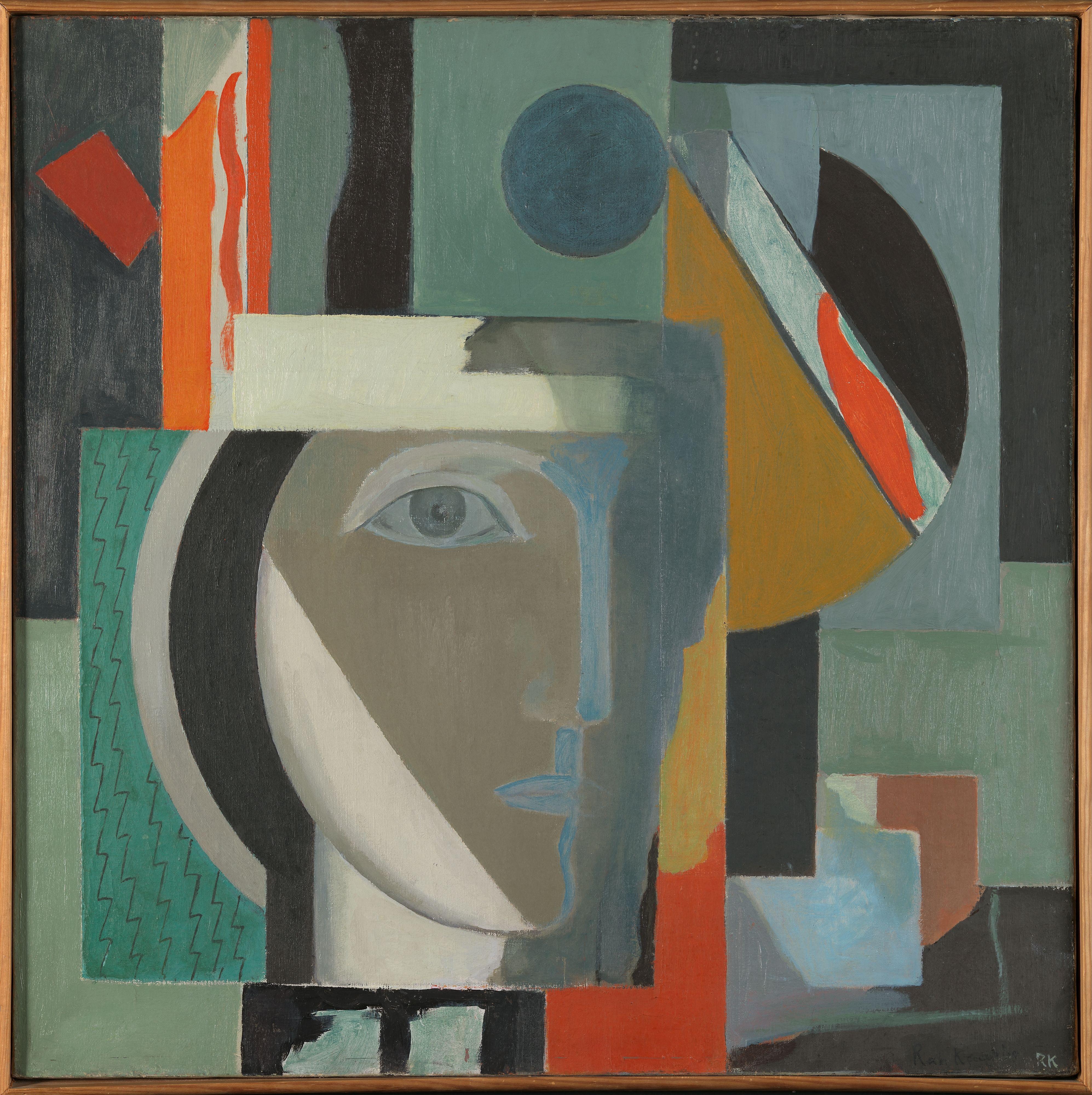
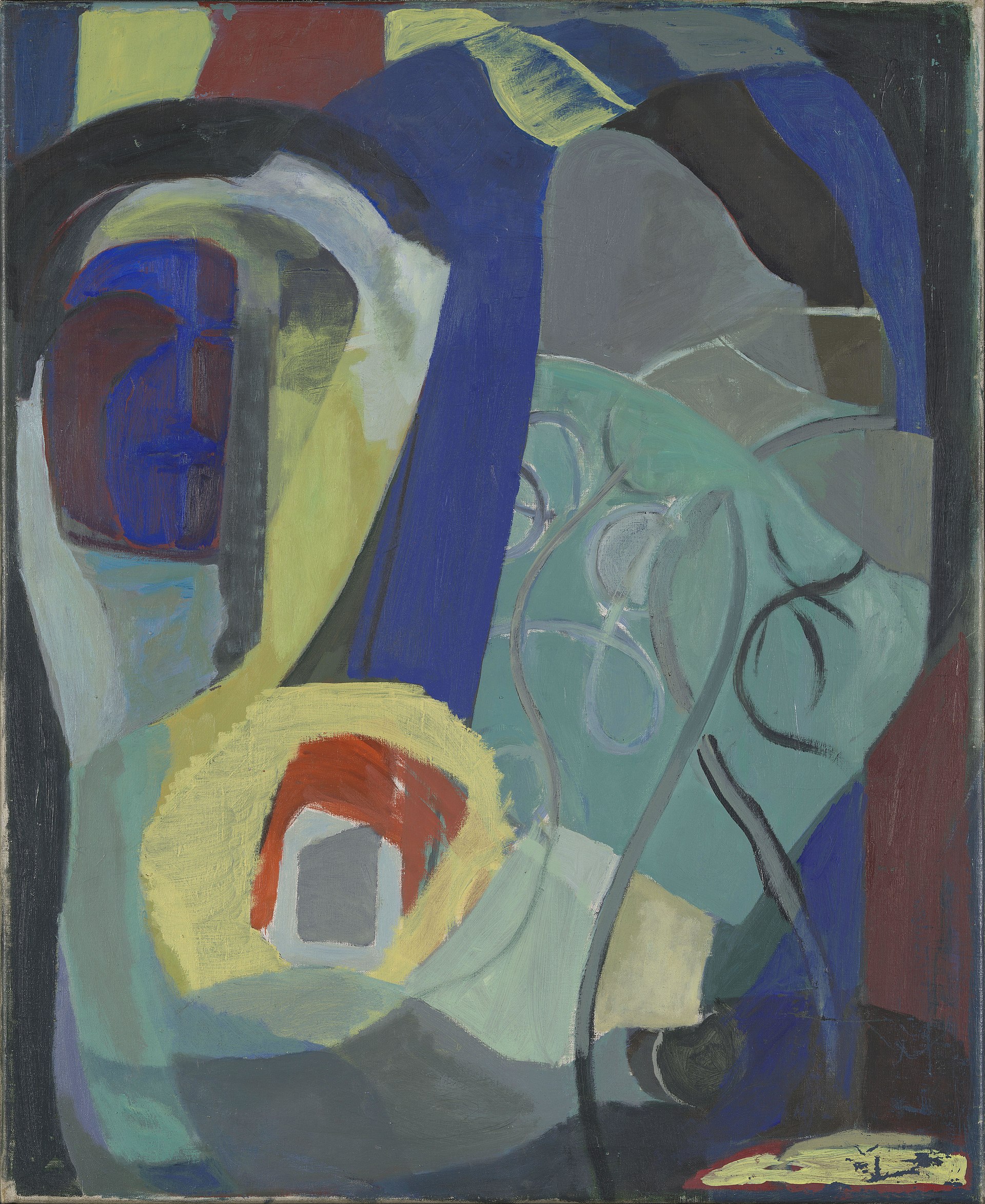
Ragnhild Kaarbø is regarded as one of the leading Abstract Modernists of Nordic art in the 1920s. She was part of the vibrant artistic milieu in Paris, where she studied under Amédée Ozenfant and Fernand Léger. Alongside contemporaries, Kaarbø produced innovative and daring works. Her work from the early 1920s reflects this rich education: expressive Fauvist portraits gave way to bold Cubist experiments that placed her at the forefront of Scandinavian Modernism.
This radical phase culminated in her participation in Eight Scandinavian Cubists at Kunstnerforbundet in 1926—an exhibition that generated intense interest but largely hostile criticism in Norway. The backlash proved decisive. Discouraged by the press response, Kaarbø gradually withdrew from avant-garde abstraction and redirected her practice toward more impressionistic landscapes, often depicting coastal scenes and historic towns.
Despite this shift, her achievements remain significant. She exhibited internationally at venues such as the Salon d’Automne and the Académie Moderne, and her works testify to her brief yet powerful engagement with Cubism. Rediscovered in recent decades, Kaarbø is now seen as an example of a modernist artist whose daring vision was shaped, and ultimately constrained, by the cultural climate of her time.
P.S. This artwork is featured in our brand new, second edition of Women Artists Postcards :)
P.P.S. Here are 10 Nordic women artists you need to know!