
 Rosa Bonheur
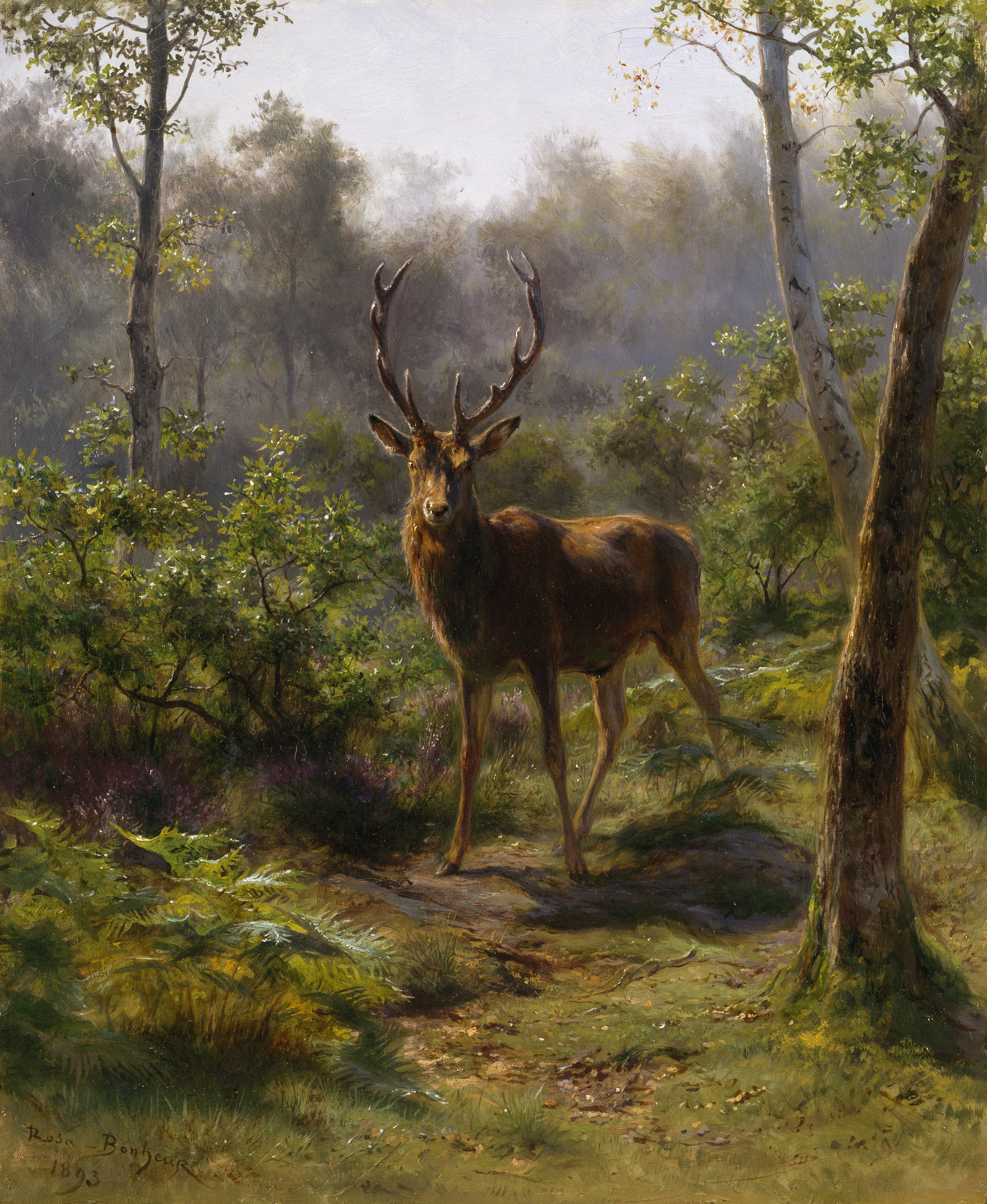
Rosa Bonheur was a French artist who specialized in the depiction of animals; they were known as animalières. Dedicated to accuracy, she closely observed her subjects in nature and even visited slaughterhouses to study anatomy firsthand.
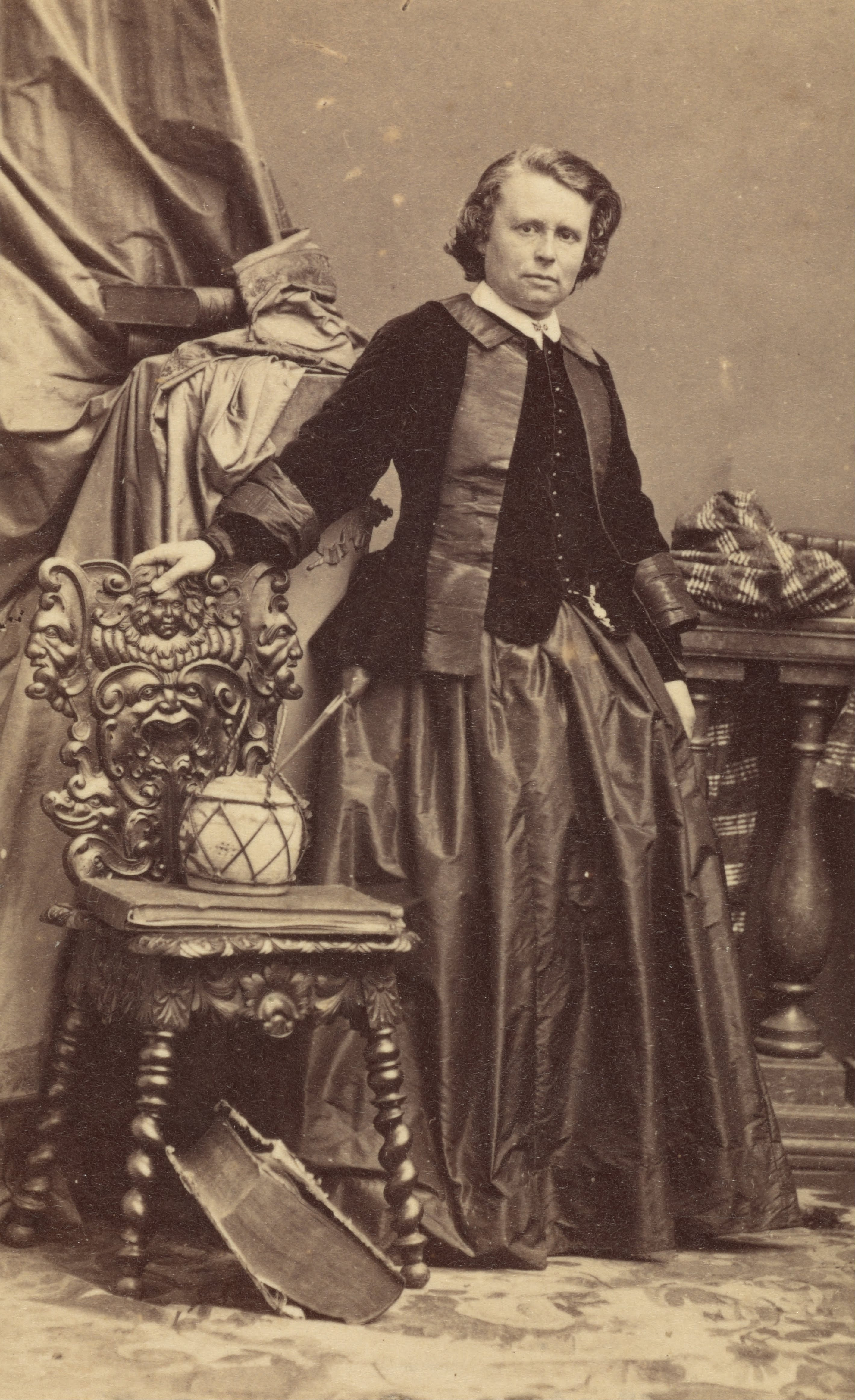
In 19th-century France, it was illegal for women to wear men’s clothing in public without official permission. The law, dating from 1800, required women to obtain a permission de travestissement (literally, "cross-dressing permit") from the police if they wished to dress in male attire. Bonheur studied animals up close, often visiting slaughterhouses, horse fairs, and livestock markets—places not considered appropriate or safe for women at the time, especially in traditional women’s clothing like long skirts or corsets. So, the artist applied for and was granted the official cross-dressing permit from the Paris police, reportedly renewing it every six months. She explained that her request was based on practical, professional reasons, not a desire to defy social norms. Her seriousness, talent, and growing fame helped legitimize her case.
In 1865, Bonheur became the first female artist to be awarded the prestigious Légion d’Honneur, marking a groundbreaking moment in art history.
P.S. We feature Bonheur's works in two of our postcard sets: Animals and Women Artists. :)
P.P.S. As you can see, Bonheur's life was as fascinating as her art. Want to learn more about this inspiring woman? Meet the rebellious Rosa Bonheur!