
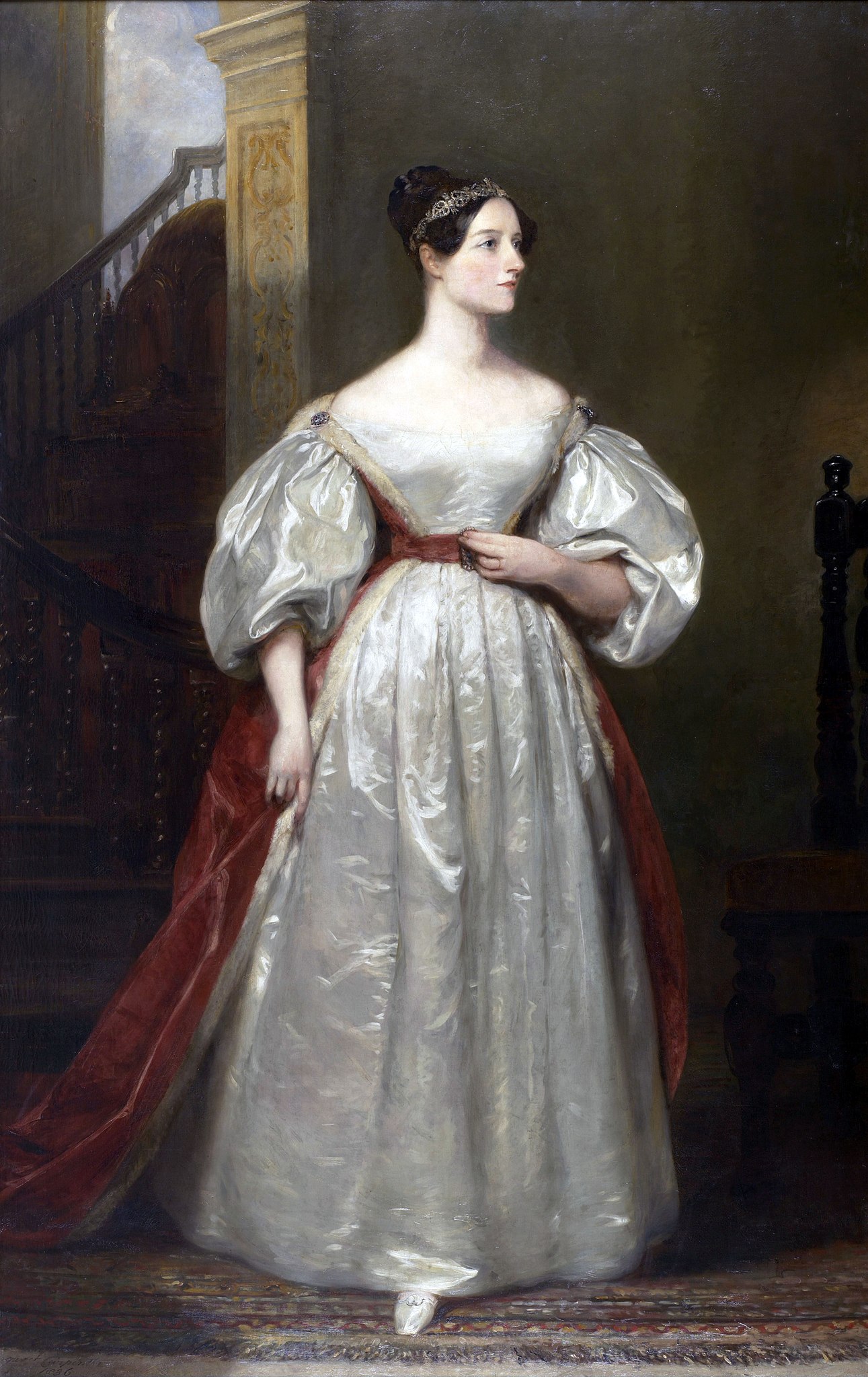
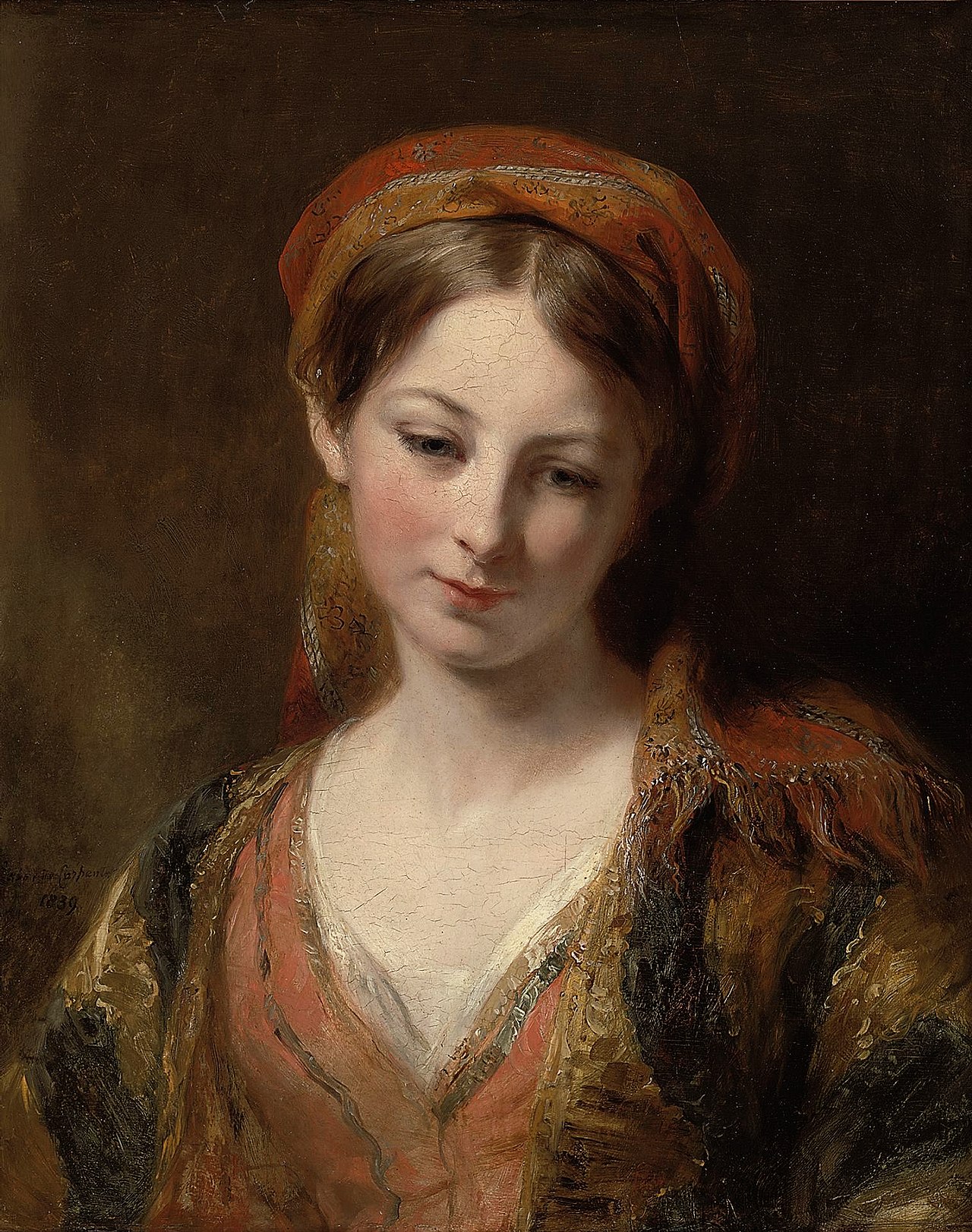
 Margaret Sarah Carpenter
As you may know, we love to celebrate special days during the year. Today is Ada Lovelace Day, an international celebration held annually on the second Tuesday of October to honor the achievements of women in STEM fields (science, technology, engineering, and mathematics). It aims to raise the profile of women in STEM, create new role models, and encourage more girls and women to pursue careers in these fields.
So, who was Ada Lovelace?
She was an English mathematician and writer, celebrated for her work on Charles Babbage’s proposed mechanical general-purpose computer, the Analytical Engine. She was the first to realize that the machine could do more than calculate numbers, envisioning applications far beyond arithmetic, such as the ones manipulating symbols, and might one day compose music or process other forms of information. Her vision anticipated the modern concept of computers as creative, collaborative tools woven into society.
The only legitimate child of the poet Lord Byron and reformer Anne Isabella Milbanke, Ada was born shortly before her parents’ separation. Byron left England when she was an infant and died in Greece when she was eight. Raised by her mother, who encouraged her study of mathematics and logic to counteract what she saw as Byron’s “madness,” Ada nevertheless retained a fascination with her absent father—naming her sons Byron and Gordon—and later requested to be buried beside him.
Now Babbage is remembered as the “father of computers,” while Lovelace is celebrated as the first computer programmer and one of computing’s great pioneers. Her legacy endures in the programming language Ada, in memorials, and in numerous institutes, lectures, and cultural tributes dedicated to her groundbreaking imagination.
P.S. Just as Ada broke new ground in science, these women artists redefined what art could be. See their pioneering works here.
P.P.S. Meet 10 formidable women in science who have revolutionized the world!