
 Mary Vaux Walcott
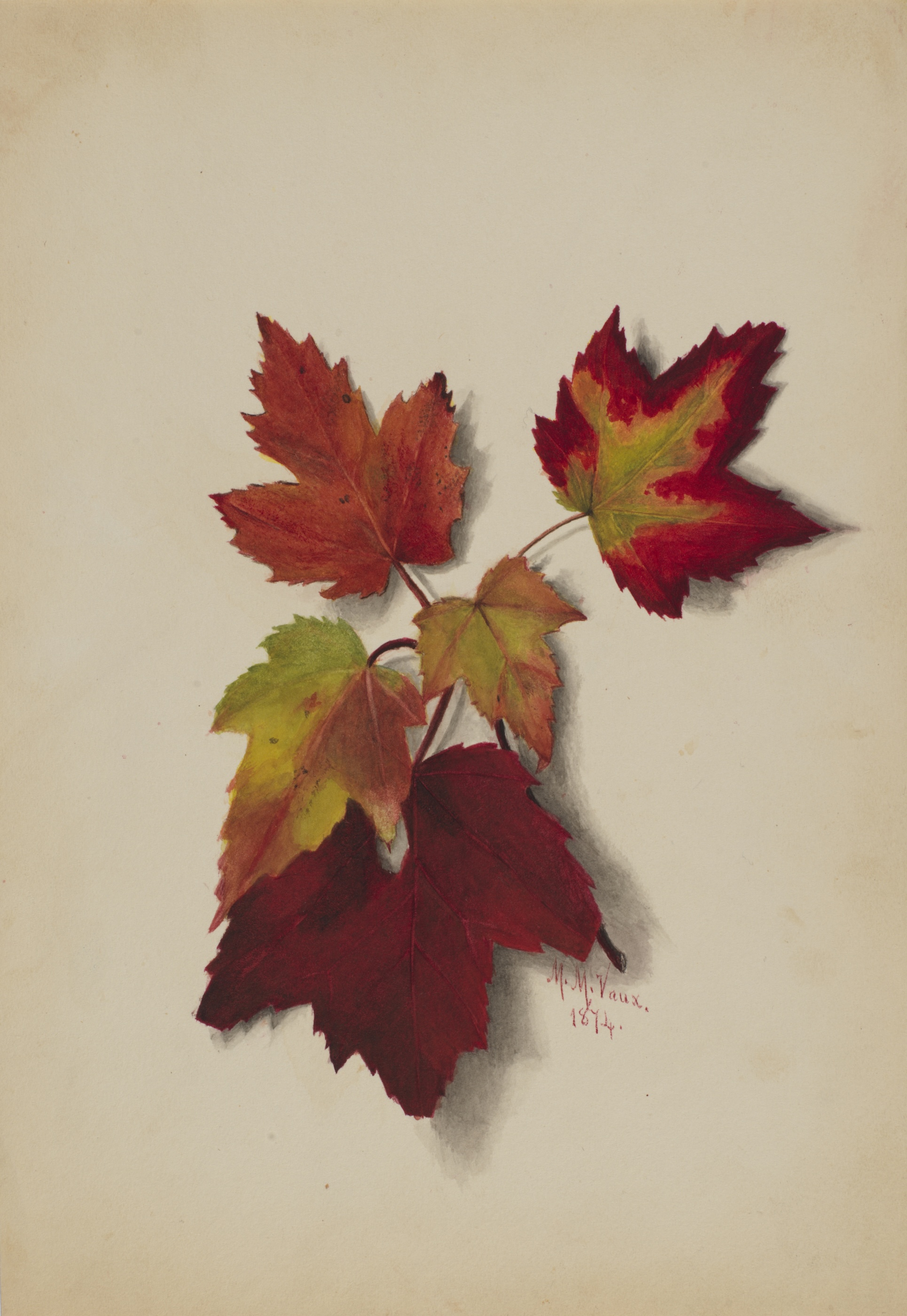
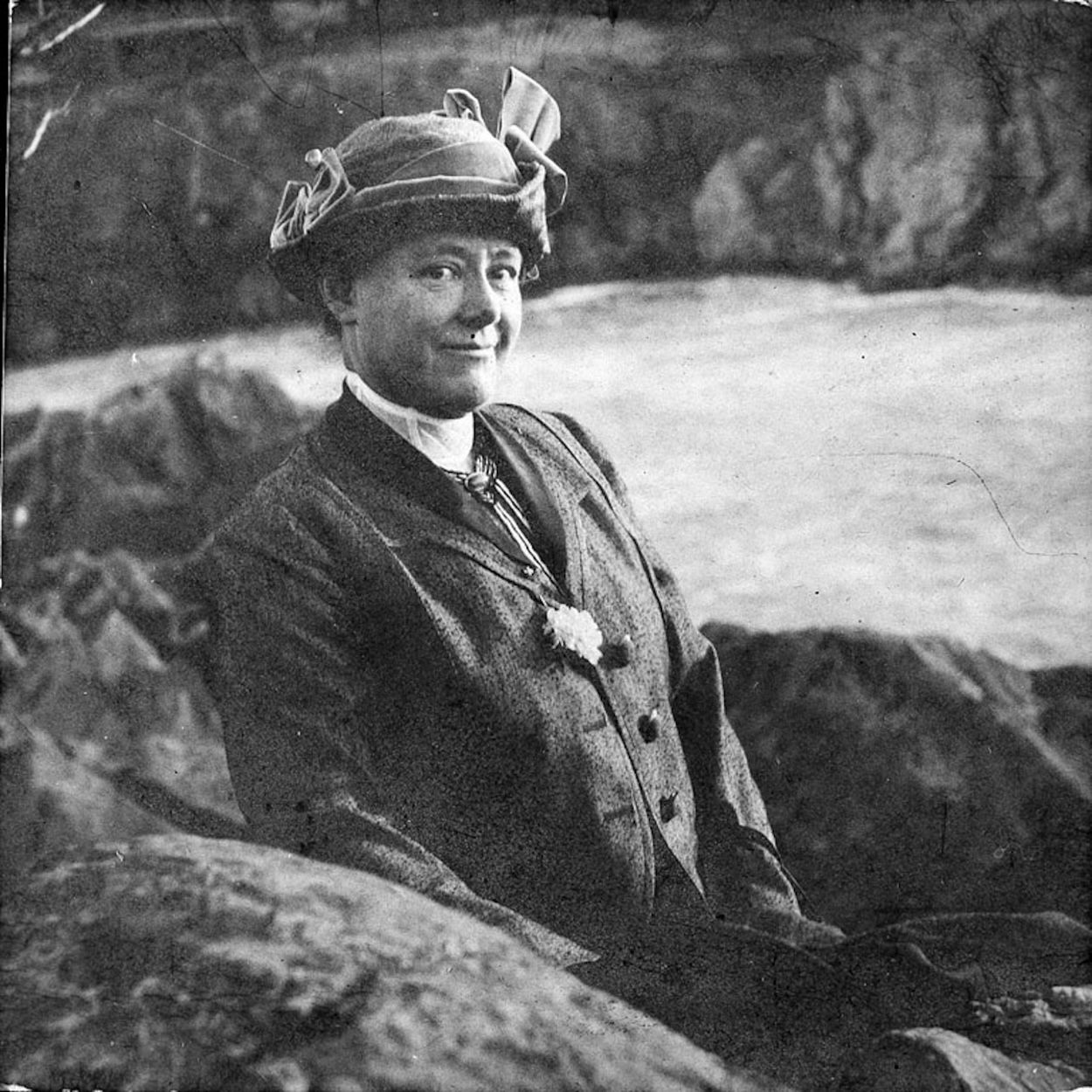
Mary Vaux Walcott received her first watercolor set at the age of eight and soon began painting flowers. After her mother’s death when Mary was 19, she took charge of caring for her father and two younger brothers. The family spent summers in the Canadian Rockies, where Mary and her brothers studied mineralogy and documented glaciers through drawings and photographs. From 1887 onward, she returned to the Rockies almost every summer, becoming a skilled mountaineer, outdoorswoman, and photographer. One season, a botanist asked her to paint a rare arnica in bloom; her success inspired her to pursue botanical illustration in earnest. For decades, she traversed the rugged terrain of the Canadian Rockies in search of significant wildflowers to record.
In 1913, she met Charles Doolittle Walcott, secretary of the Smithsonian Institution, during his geological fieldwork. They married the following year, and together spent three to four months each summer in the Rockies—he continuing his studies, she creating hundreds of watercolors of native flowers.
At the encouragement of botanists and wildflower enthusiasts, the Smithsonian published 400 of her works in the monumental five-volume North American Wild Flowers (1925). A decade later, in 1935, she also provided the illustrations for North American Pitcher Plants, further cementing her legacy as one of the leading botanical artists of her time.
P.S. As autumn leaves fall, they remind us the year is drawing to a close — the perfect time to secure your DailyArt 2026 Calendar. 🍂
P.P.S. See how another pioneering woman turned scientific observation into art by exploring Maria Sibylla Merian’s life.