
 Carleton Watkins
Beginning in the 1850s, photographers found a way to achieve the clarity of daguerreotypes without giving up the reproducibility of William Henry Fox Talbot's negative/positive process: they replaced the paper negative with glass, coated with a thin layer of wet photosensitive collodion (guncotton dissolved in ether).
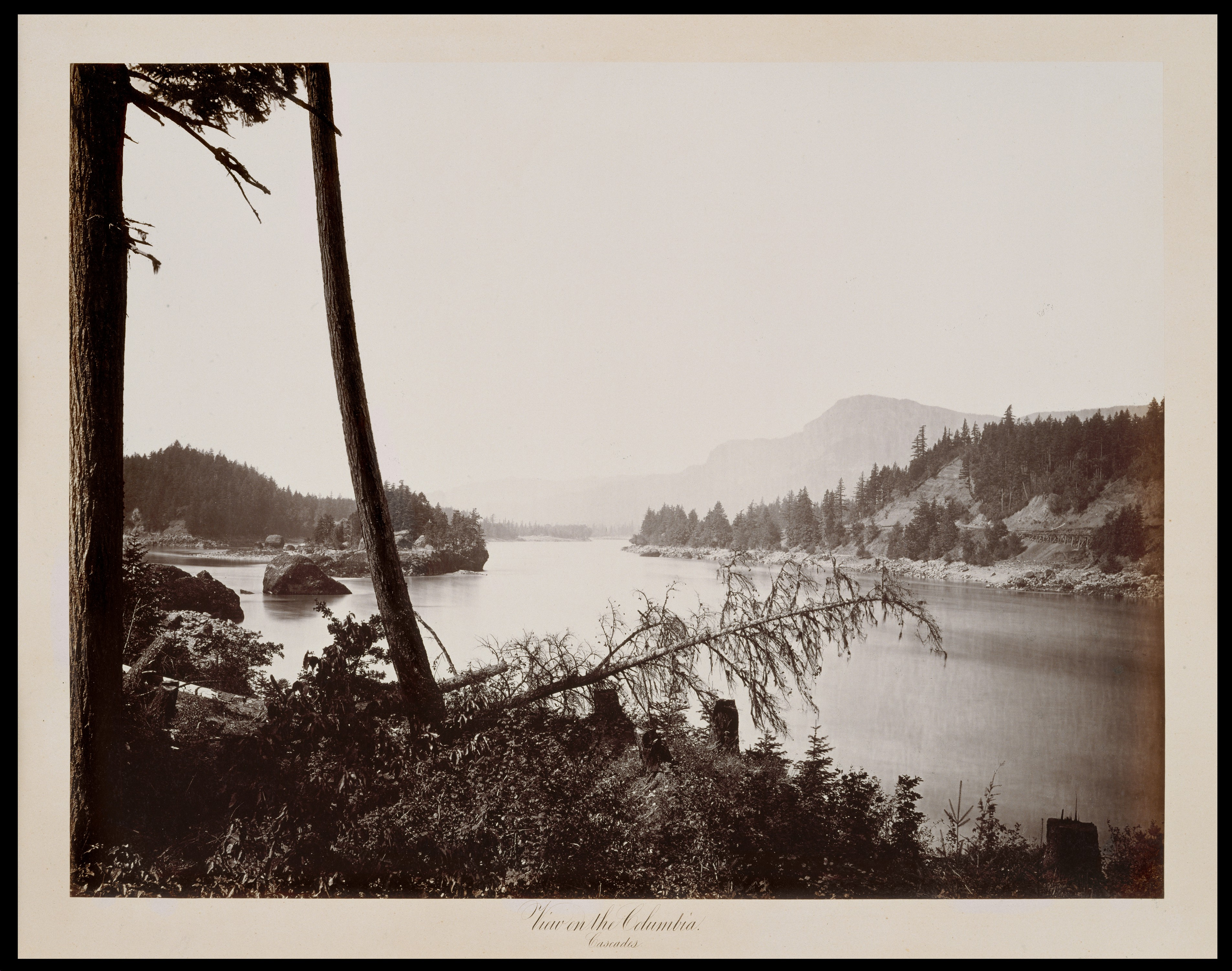
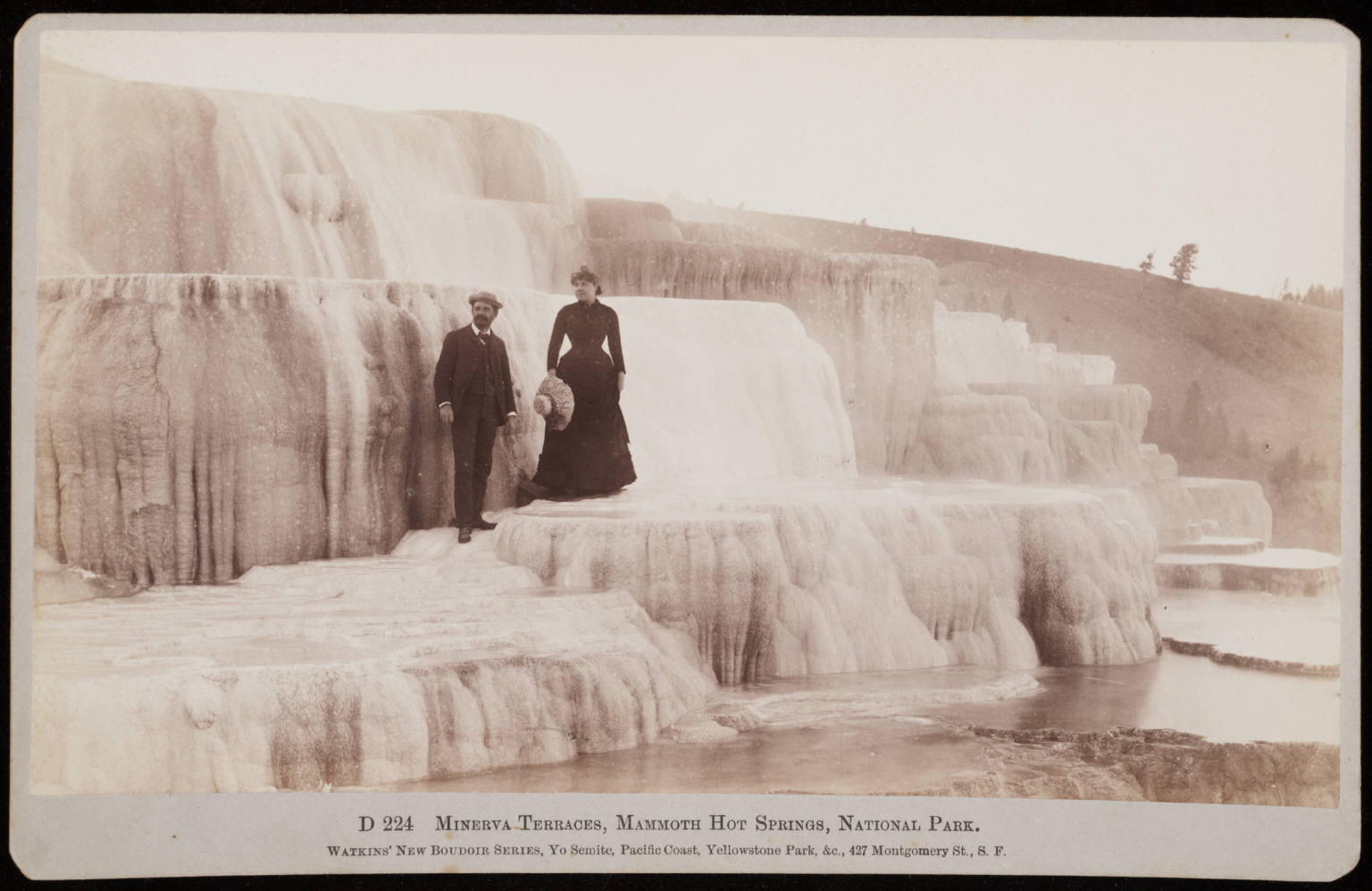
Carleton Watkins was among the most accomplished practitioners of this technique, known for his large-format landscape photographs of the American West. For work such as his views along the Columbia River in Oregon, the physical demands of this process were considerable. With no practical means of enlarging yet available, his glass negatives had to be as large as he wished the final prints to be, and his camera large enough to accommodate them. The glass also had to be coated, exposed, and developed while the collodion remained tacky, forcing him to carry a traveling darkroom as he explored the untouched terrain of the American West.
P.S. Here are 10 breathtaking landscapes worthy of a postcard!