
 Jacob Philipp Hackert
Well, today is Black Friday!
As we announced yesterday, we have some amazing treats for you today. Please also keep in mind that everything you buy from us is a huge financial support for us:
- The annual premium subscription in the app is now available for new subscribers for -40% off the initial price, so instead of $29.99, you would pay $17.99! To redeem the offer on iOS, please tap here on your mobile device and use the code; Android users should follow the regular purchasing procedure. :)
- You can get all our prints, socks, notebooks, and beautiful 2026 calendars that are perfect for all art lovers for -25%.
- All our online DailyArt Courses about art history are -25%.
And now, let's move to today's painting. :)
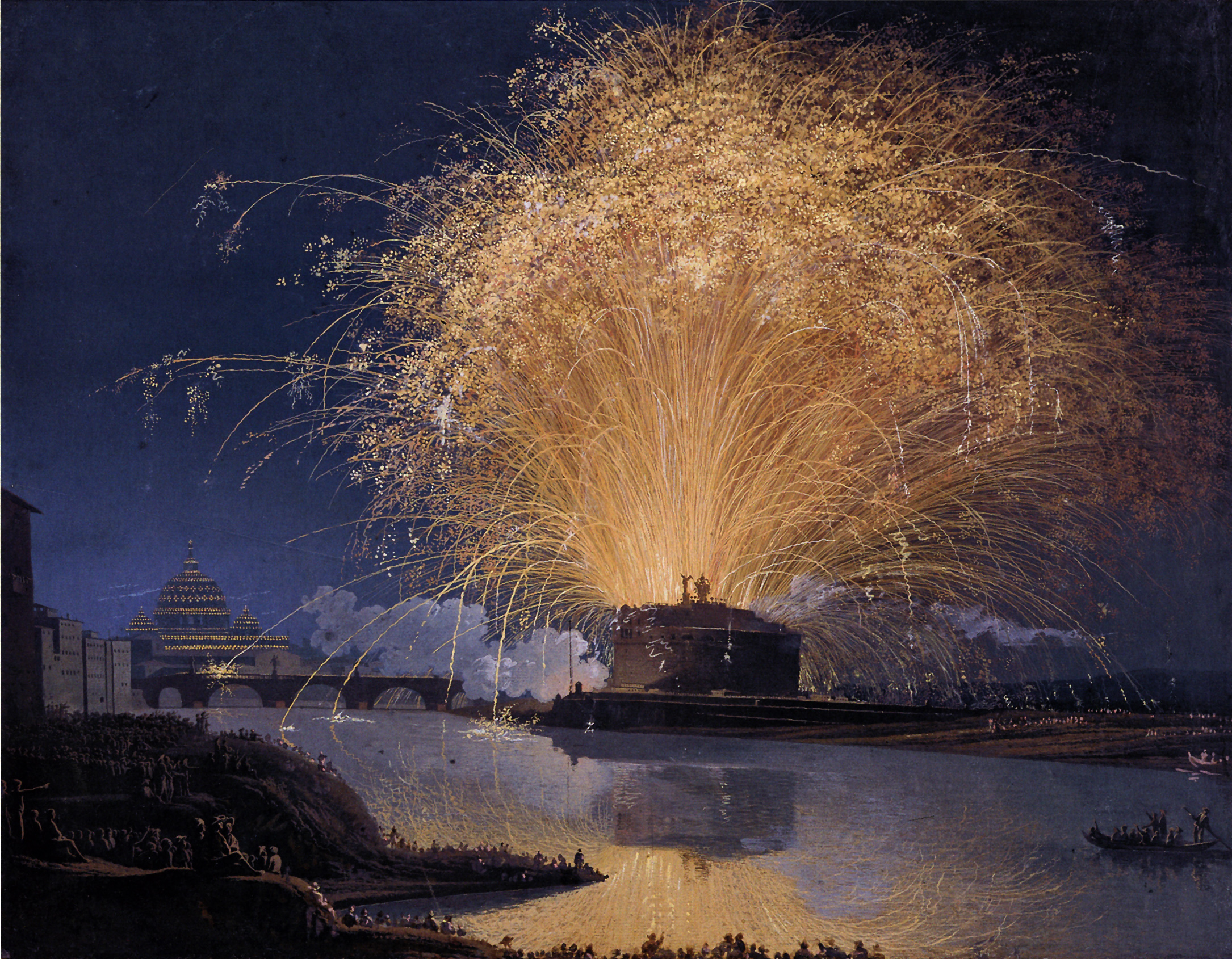
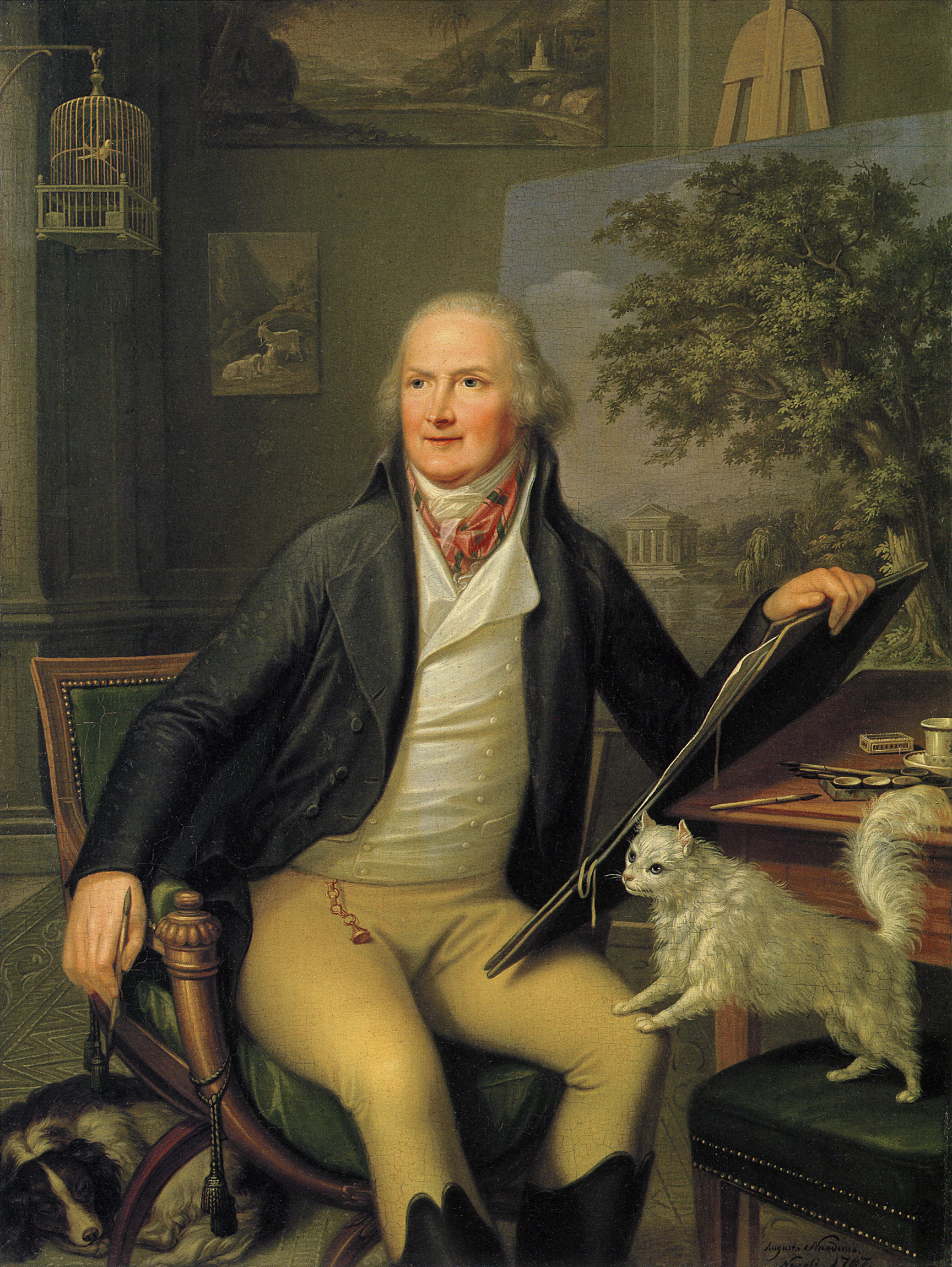
Jacob Philipp Hackert was a German landscape painter from Brandenburg who spent most of his career in Italy. Trained by his father, Philipp (a portraitist and animal painter), and his uncle, he later studied at the Prussian Academy of Arts in Berlin in 1758. Soon after, he traveled to Swedish Pomerania and Stockholm at the invitation of the Swedish official Adolf Friedrich von Olthof, with whom he lived for a time while painting decorative murals at his estate.
From 1765 to 1768, Hackert lived in Paris with the Swiss artist Balthasar Anton Dunker, concentrating on gouache painting. In 1768 Hackert left Paris with his brother Georg and settled in Italy, dividing his time mainly between Rome and Naples. He produced numerous works for Sir William Hamilton and traveled widely throughout the country, establishing a reputation as a leading landscape painter. His fame spread across Europe thanks to commissions from Catherine the Great, including his series on the Battle of Chesma, as well as from Pope Pius VI.
In 1786 Hackert entered the service of Ferdinand I of the Two Sicilies in Naples. There, he helped establish a painting restoration laboratory at the Museo di Capodimonte, oversaw the transfer of the Farnese collections from Rome to Naples, and created celebrated views of Caserta, the Royal Palace of Caserta, and a series of paintings of Bourbon ports. During this period, he also acted as a secret informant for Russia, communicating with the diplomat Andrey Razumovsky. That same year, Hackert befriended Goethe, who visited Naples and remained close to him.
Hackert never married, living much of his life with one of his brothers, though he had affairs with married women and likely fathered a daughter. In 1811, Goethe published the first biography of Hackert, further cementing his legacy.
P.S. See more firework paintings! Some of them are quite surprising.