
 Diego Velázquez
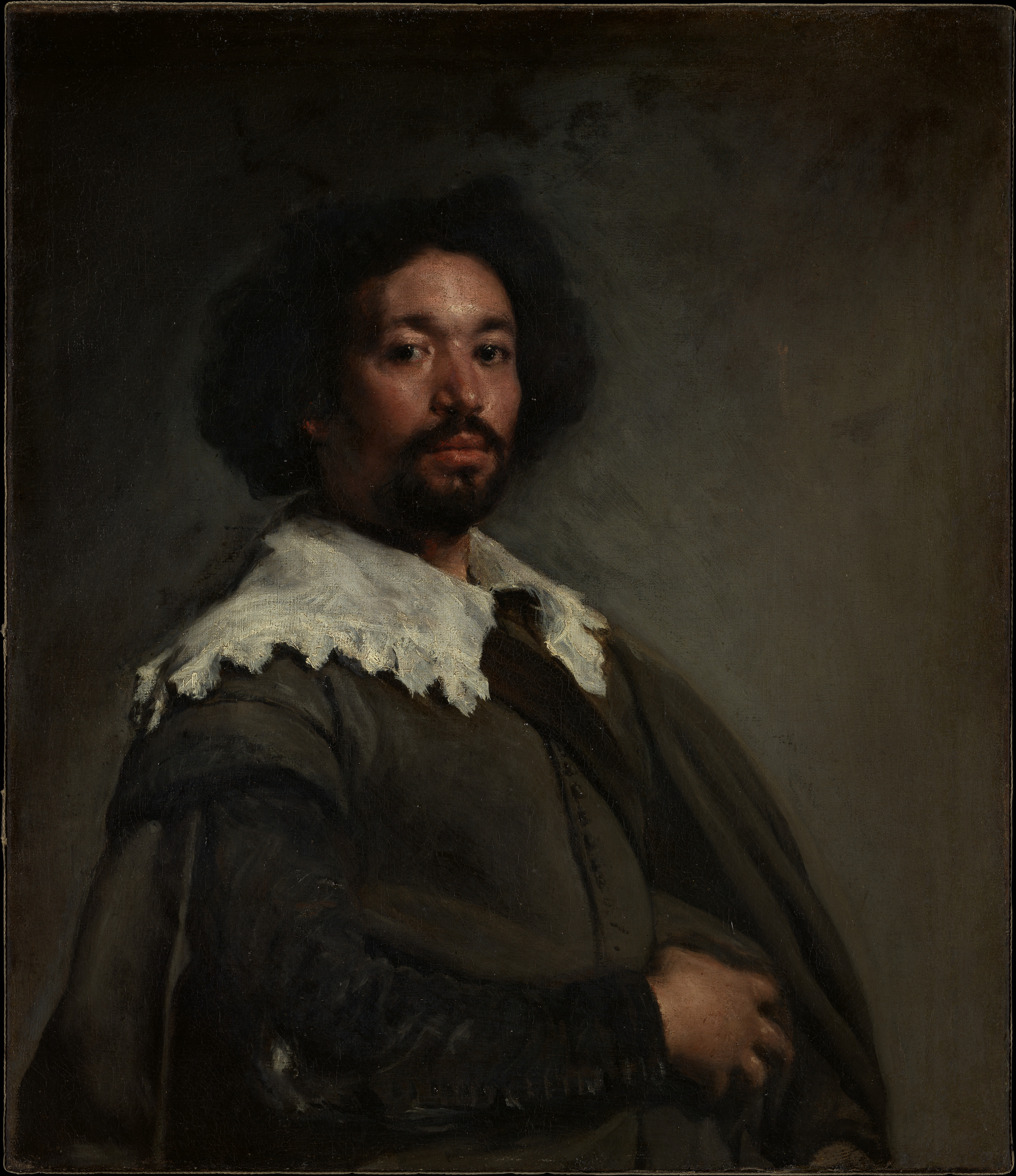
Did you know that November is also known as Movember? There is an international movement that encourages men to grow a mustache throughout November to spark conversations and raise awareness about men’s health, particularly prostate and testicular cancer, mental health, and suicide prevention. So today seems like the perfect moment to look at a very spectacular mustache of art history—that of Juan de Pareja, portrayed by Diego Velázquez.
Between 1649 and 1651, Velázquez traveled to Italy accompanied by Pareja, a man of African descent born in southern Spain who had been enslaved in the artist’s household and workshop for at least two decades. Velázquez painted this remarkable portrait in Rome, capturing Pareja with an extraordinary sense of presence: elegantly dressed, confidently posed, and looking directly at us above his magnificent mustache. According to an early biographer, the likeness was considered so convincing that when the portrait was displayed alongside Pareja himself, viewers were amazed by how vividly Velázquez had captured him. The painting's story becomes even more significant in light of what happened next. Within months, Velázquez signed documents granting Pareja his freedom, which took effect in 1654. Pareja subsequently established himself as an independent painter in Madrid.